
Our Goal
Cultivating a vibrant, well-equipped NCD civil society
We focus on strengthening the capacity of national and regional alliances, supporting meaningful involvement of people living with NCDs, and protecting civic space for inclusive health governance.
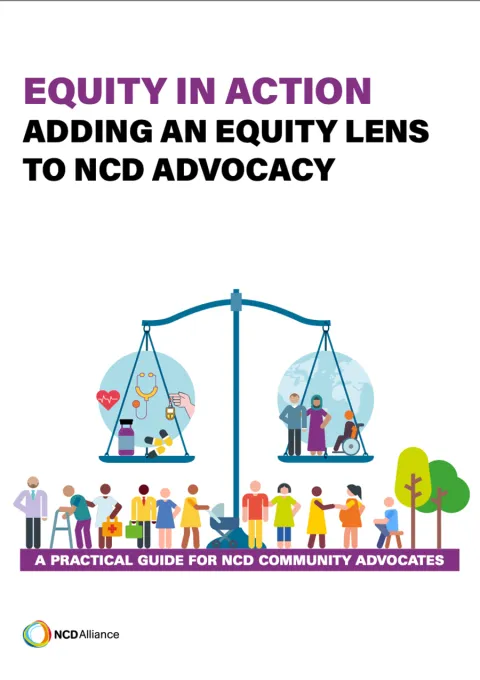
Despite growing recognition of the value of community voices, civil society and people living with NCDs remain underrepresented in policy and decision-making. Yet their involvement is essential to ensure policies are grounded in lived realities, equitable, and accountable—driving more sustainable and effective NCD responses.
Integrating lived experience in global processes
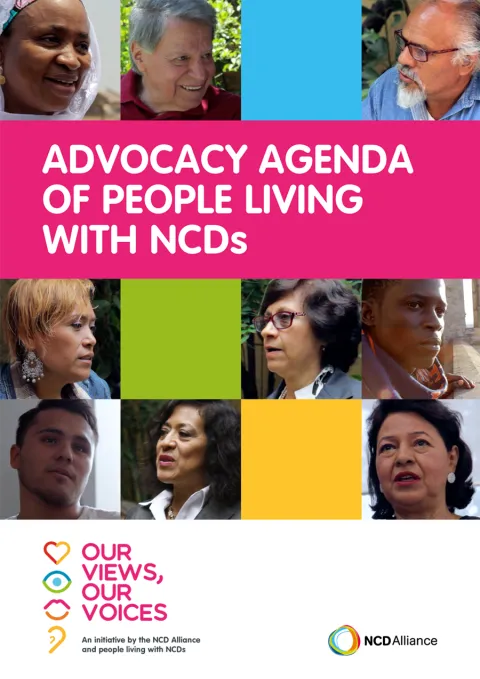
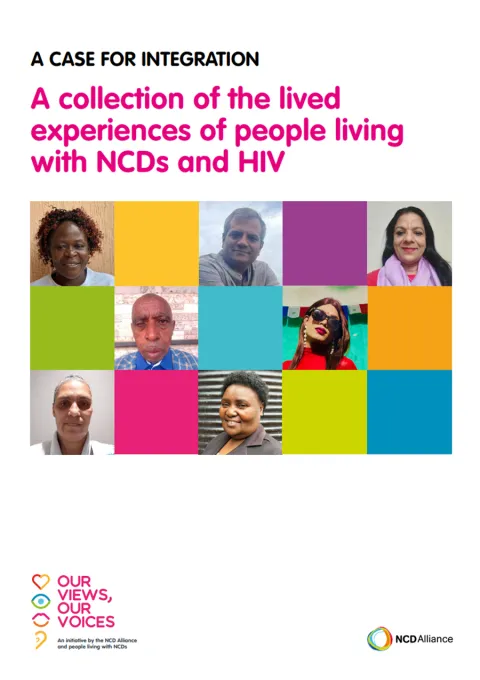
For the first time, people living with NCDs were formally included in preparations for a UN High-Level Meeting on NCDs. Through our Our Views, Our Voices initiative, NCDA partnered with WHO to maximise meaningful engagement across our network.
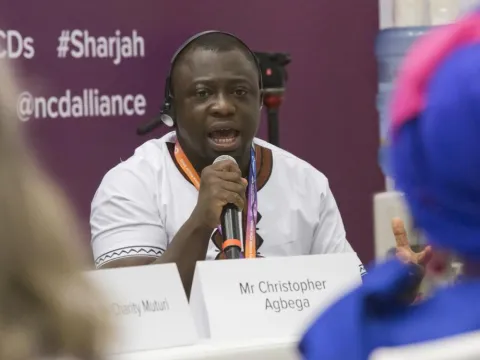
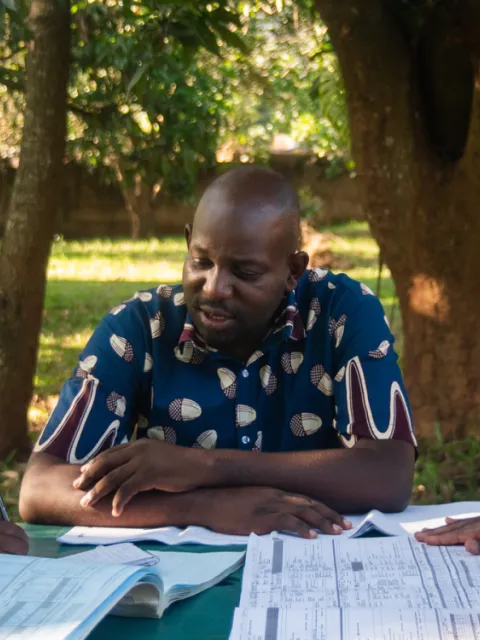
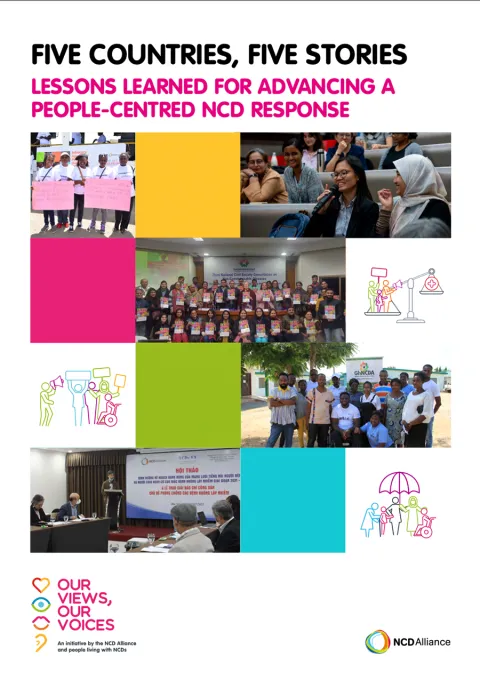
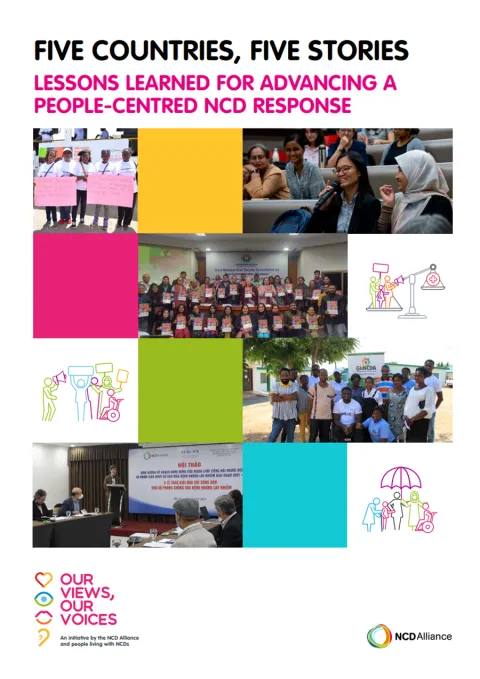
In December 2024, the 2nd WHO Symposium on the Meaningful Engagement of People Living with NCDs, Mental Health Conditions, and Neurological Conditions brought together lived experience advocates to co-develop advocacy priorities and an action plan for the fourth UN HLM on NCDs.
Ahead of the Symposium, NCDA mobilised its global community to respond to WHO’s consultation on draft advocacy messages—gathering insights, identifying gaps, and ensuring alignment with the real needs of those most affected.
Members of our Global Advisory Committee shaped the feedback, reinforcing the role of lived experience in global policy processes.
Watch and listen: People living with NCDs are driving change
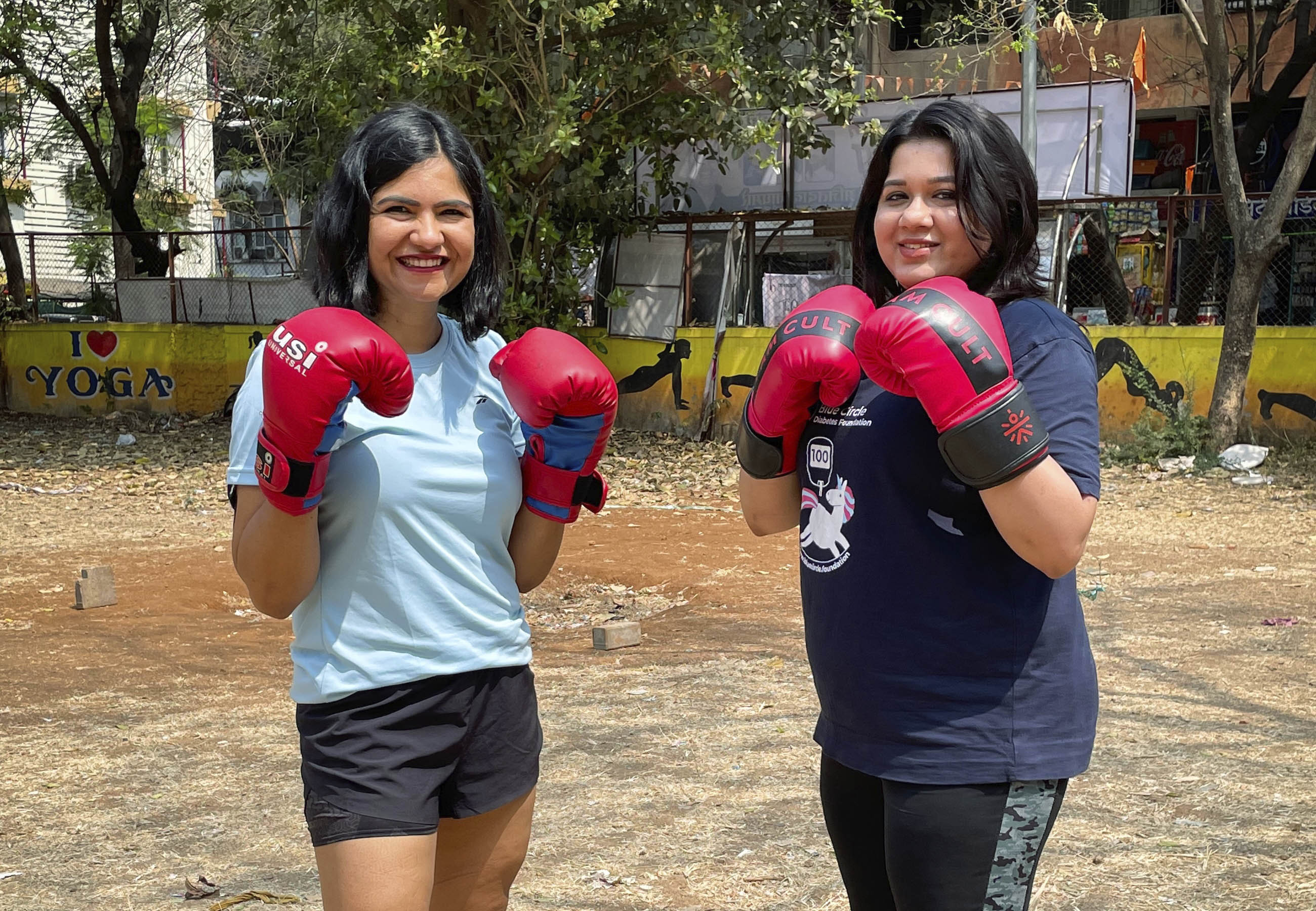
Going Full Circle
Our micro-documentary Going Full Circle tells the story of two women in India living with type 1 diabetes and leading peer support initiatives through the Blue Circle Diabetes Foundation. Their work helps break down stigma, builds circles of care, and empowers women in underserved communities.
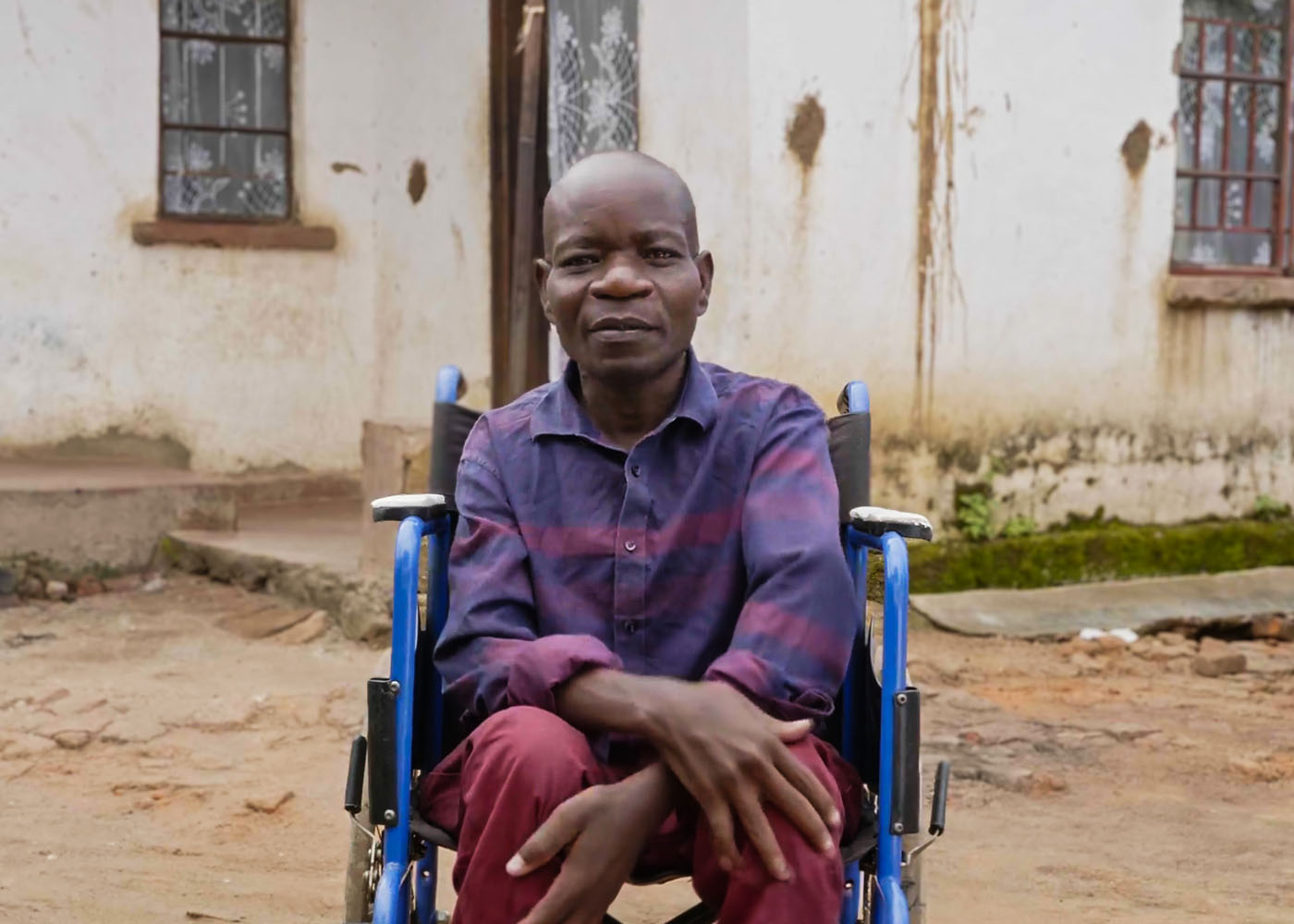
Raise Your Voice
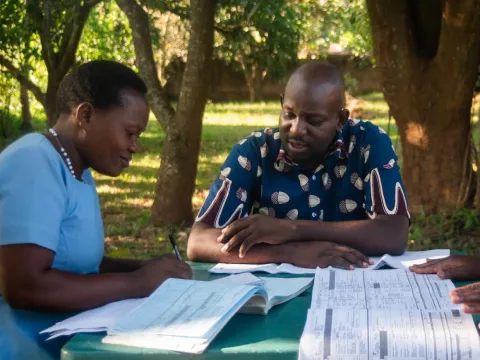
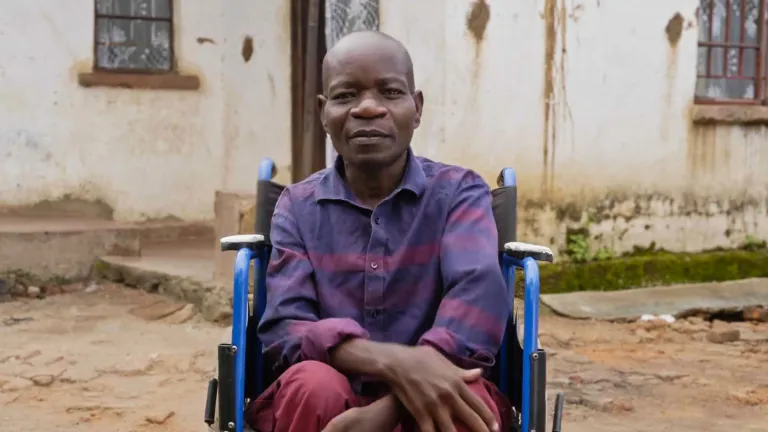
In Raise Your Voice, two powerful advocates from Malawi share how personal experience is driving community change. Their stories show how advocacy rooted in lived reality can reshape access to care and amplify rights-based health responses.