Cancer 

‘Cancer’ is a word many people fear hearing in the doctor’s office. Despite most cancer cases being preventable or curable, incidence and mortality are rising steadily. Cancer control, from prevention and early detection to treatment and palliative care, can alleviate much of this enormous burden on countries, communities and individuals.

Key facts

Preventable and curable 

At least one third of cancer cases could be prevented by limiting exposure to risk factors like tobacco, alcohol, and foods high in fats, sugar and salt. Another third could be cured if they were detected early and treated appropriately. 

Driving inequity 

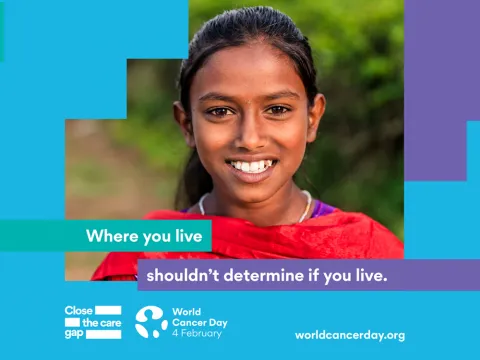
Today, 70% of cancer deaths are happening in the least developed parts of the world. Even if you live in a higher income country, inequities still exist for lower-income, Indigenous, immigrant, refugee, rural, and other vulnerable communities. 

The human and economic toll 

Cancer takes a massive toll on households and families. While human suffering cannot be quantified with a price tag, the economic cost of cancer is estimated at US$1.2 trillion each year.
What is cancer?

Cancer is a disease caused by abnormal changes in normal cells, resulting in uncontrolled growth that forms a lump, known as a tumour. This is true for all cancers except those affecting the blood, like leukemia and lymphoma, which may not form tumours. If untreated, cancerous cells can invade nearby tissues or spread to other parts of the body through the bloodstream and lymphatic system, impacting various body systems and functions. 

Detected and treated early, cancer is not usually deadly. But cancer that is detected at an advanced stage or not treated appropriately tends to cause severe symptoms and death. This makes equitable access to cancer care so important.

Why is it urgent to act?
Without action, the cancer burden is projected to double by 2050, with 35 million new cases per year. Most of this burden can be avoided through prevention and early detection, but only if governments make cancer control a priority.

Despite remarkable advances in cancer prevention, diagnosis, and treatment, many people in the world are denied these life-saving basics. This equity gap is clear between high- and low-income countries. For instance childhood cancer survival rates are over 80% in high-income countries but below 20% in some low-income countries. And stark disparities exist within countries of all income levels, with disadvantaged groups facing the greatest challenges to accessing care. 

People living with cancer and other NCDs are among the most vulnerable during pandemics and other emergencies. On the other hand, a healthy population is the foundation for health system security, resilience, preparedness and economic development. It is vital to invest in health promotion, including cancer prevention, screening and diagnosis, as part of plans to build resilient health systems.

Women face a range of particular challenges when it comes to cancer. Some cancers, like breast and cervical, only affect women, and women face increased exposure to certain risk factors like household air pollution. Other issues, like lack of financial independence and stigma and discrimination from families and communities, mean that women are less likely to seek and access the cancer care they need.

Facing Forward 

Cervical cancer: a marker of inequity or a beacon of hope?

Cervical cancer ranks fourth among all cancers and is currently the leading cause of cancer deaths in women in 38 countries – all of them LMICs. Even in high-income countries, cervical cancer disproportionately impacts minorities and marginalised women. Cervical cancer is unequivocally an equity and social, gender and health justice issue. 

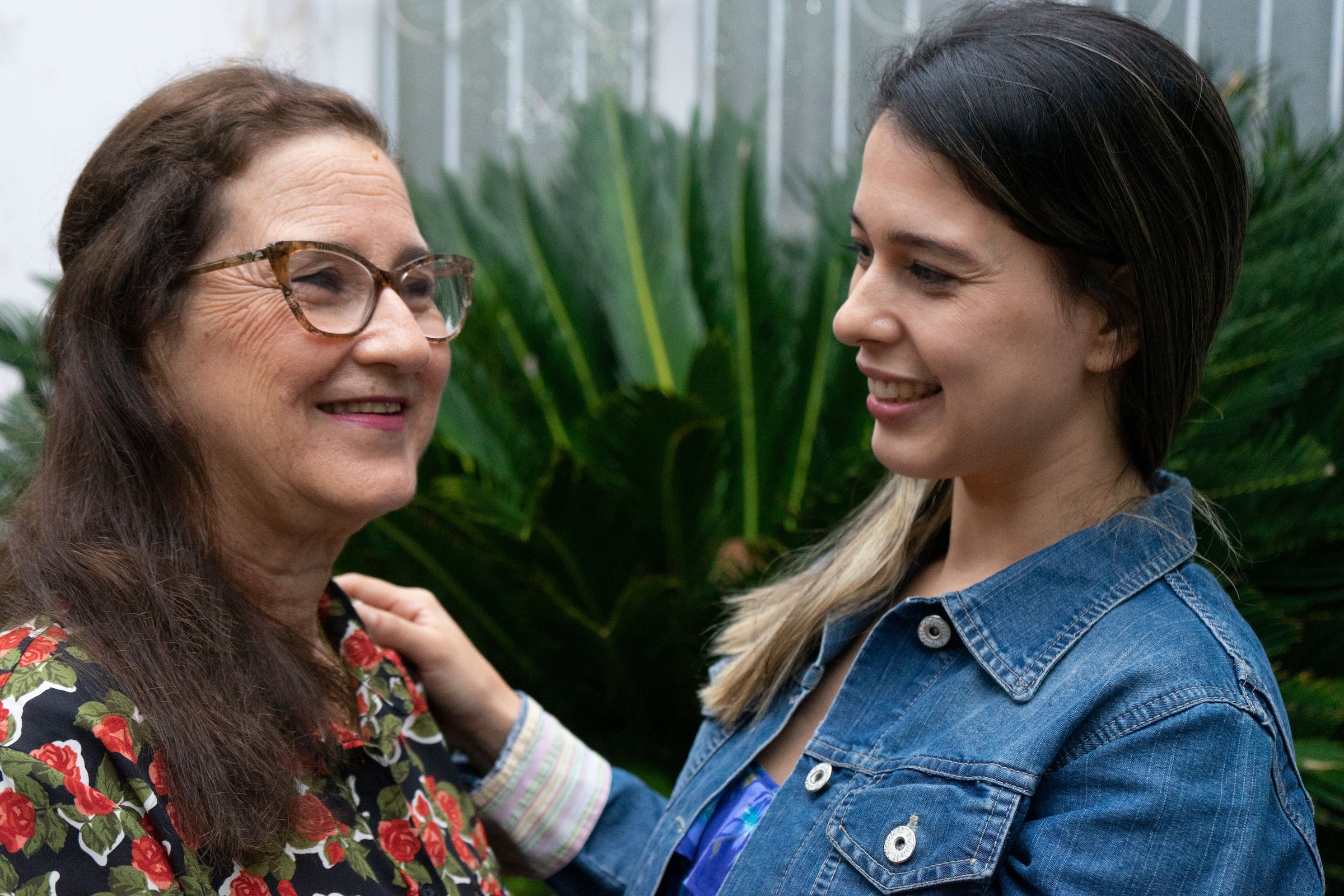
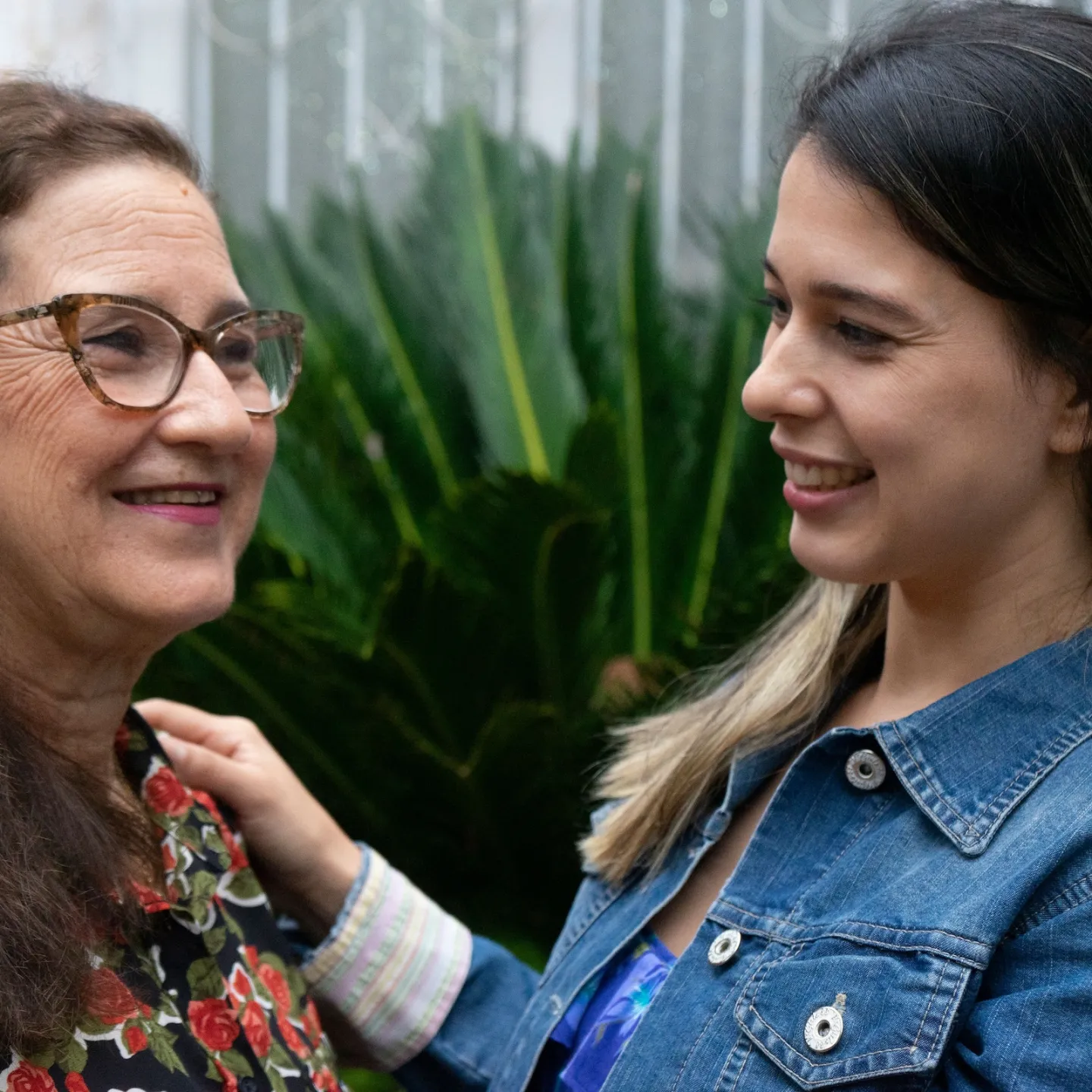
Maria, person living with cervical cancer in Paraguay (on the left), with her daughter (on the right)

Here’s the good news. Cervical cancer is highly preventable and treatable if detected early and managed effectively, and efforts are being made to ensure equitable access to care. In 2020, the World Health Assembly adopted a strategy aimed at eliminating cervical cancer worldwide and reaching the following targets by 2030: 

  • 90% of girls fully vaccinated with HPV vaccine by 15 years of age
  • 70% of women are screened with a high-performance test by 35 and 45 years of age
  • 90% of women identified with cervical disease receive treatment  

Elimination of cervical cancer could happen within the lifetime of today’s young girls. The question is: Is there enough political will to make it happen?

Common risk factors
An estimated 30% of cancer cases could be prevented by reducing or eliminating exposure to key risk factors.
tobacco use icon

Tobacco use contributes to 25% of all cancer deaths globally. It is a leading cause of multiple cancers including oral, lung, liver, stomach, bowel and ovarian cancers, as well as some types of leukaemia.

Explore
alcohol use icon

Alcohol accounts for an estimated 4% of new cases of cancer worldwide and nearly 400,000 deaths due to cancer every year. Risk rises with consumption, but even low levels increase risk greatly. There is no safe level when it comes to cancer. 

Explore
air pollution icon

Air pollution increases the risk of developing many different types of cancer, including brain, liver, ovarian, cervical and kidney. It causes up to 29% of all lung cancer deaths, and living in a polluted environment lowers the chances of surviving cancer by 12% overall.   

Explore
physical inactivity icon

Physical activity is strongly linked to reduced risk for various types of cancer and significantly improves survival rates. Exercise has many biological benefits which explain this link, such as helping to prevent obesity.

Explore
Solutions to enable equitable cancer control
Governments in countries of all income levels can choose to save lives and money by investing in cancer control.

There is no UHC without improving cancer control and providing access to life-saving services for all populations, and it is unlikely that great steps will made towards cancer control without UHC. The first step towards ensuring equity in cancer care is improving access to care for marginalised communities in national cancer control plans.

Investing in cancer control is both feasible and affordable in all countries. In 2020, WHO showed that scaling up cancer services to 90% coverage by 2030 would require an investment of $40 billion, which is $2.70 per person in low-income countries, $3.95 in middle-income countries, and $8.15 in high-income countries. This could save 7.3 million lives by 2030 and generate an additional $325 billion in direct productivity gains, plus $990 billion in societal gains.

Primary and secondary cancer preventions strategies are the most effective and cost efficient means of lowering the cancer burden, and can result in a reduction of one third to one half each. Primary cancer prevention measures aim to stop cancer from starting by reducing exposure to risk factors. Secondary cancer prevention measures are about detecting and treating cancer early, before it reaches an advanced stage. 

Opciones para compartir: