Chronic Kidney Disease

Chronic kidney disease (CKD) is known as a ‘silent killer’, because most people live with the disease for years before they have any symptoms. By the time the disease is detected, for many people it’s already too late. In an advanced stage, CKD can only be treated with regular dialysis or a transplant – options that are difficult or impossible to access for many people in the world.

Key facts

Increasing prevalence 

CKD is increasing in prevalence – and at an alarming rate. Most of this increase can be reversed through prevention, and it can also be detected early with simple blood and urine tests. 

Abysmal care gap 

Over two million people worldwide currently receive treatment with dialysis or a kidney transplant to stay alive, but more than 80% of these people reside in high-income countries. 

Rising mortality 

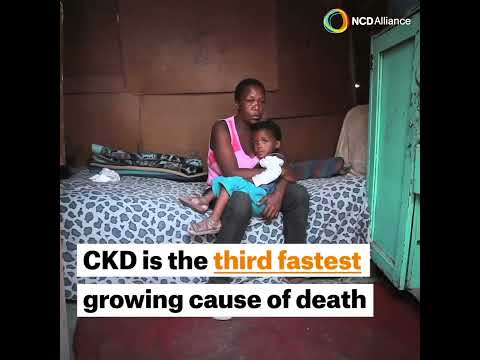
CKD mortality increased by over 40% since 1990, rising from the 17th leading cause of death in 1990 to the 10th in 2020, to the 9th in 2024.
What is Chronic Kidney Disease?

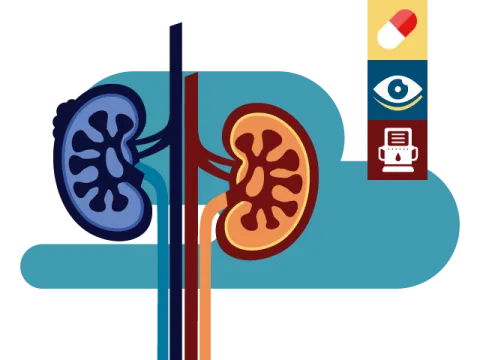
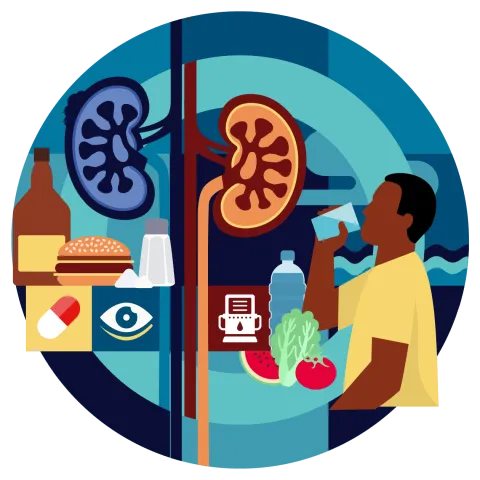
Our kidneys work to keep us healthy by cleaning wastes from our blood with millions of tiny filters, called nephrons. If these nephrons are damaged, they begin to shut down, and eventually we feel the symptoms of chronic kidney disease (CKD).

One in ten people are living with CKD, but - since the disease often presents no symptoms until an advanced stage - many of them don’t even know it. Once a diagnosis is attained, dialysis or a transplant may be the only treatment options. For most people in the world, these treatments are simply out of reach, either due to unavailability or unaffordability. 

CKD is expected to become the fifth leading cause of death by 2040, up from the ninth in 2024. This rapid rise is being driven by largely preventable factors – smoking, unhealthy diets, physical inactivity, and alcohol – with increasing links to environmental factors like higher temperatures. Governments must implement tried-and-trusted NCD prevention policies now to protect populations from avoidable CKD death and disability.

Back to basics

What do you know about chronic kidney disease?

Learn the basics with this explainer video.

Chronic kidney disease risk factors
Chronic kidney disease has shared risk factors and co-morbidities with other NCDs and chronic conditions.

The CKD burden is driven by the same risk factors as other major NCDs – an unhealthy diet, tobacco use, alcohol, and physical inactivity.

Hypertension causes over a quarter of all CKD cases. Keeping this risk factor under control with regular monitoring is key to preventing CKD.  

People living with obesity are at higher risk of CKD. Obesity and CKD, together with diabetes, often form a triple-morbidity. 

Diabetes causes one third of CKD cases, and over half in some countries. Between 2005 and 2015, the prevalence of diabetic kidney disease increased by 39.5% globally.

Explore

People living with CKD face a far greater risk of cardiovascular diseases. Each year, 1.4 million deaths from cardiovascular disease are attributed to advanced CKD.

Explore
Why is it urgent to act?
Chronic kidney disease places an immense and largely preventable burden on households, health systems, and economies. This burden is growing at an alarming rate.

Health-harming industries – namely tobacco, alcohol, junk food and fossil fuels – are driving the CKD burden upwards. Governments have effective policies to protect populations from these risk factors, but implementation is lagging behind. 

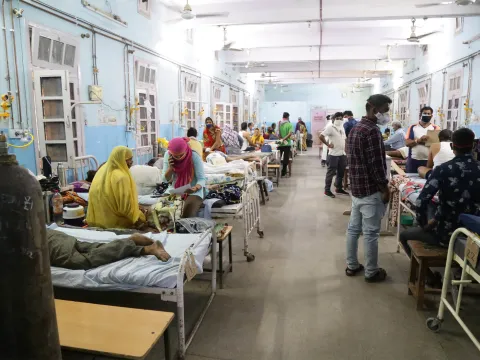
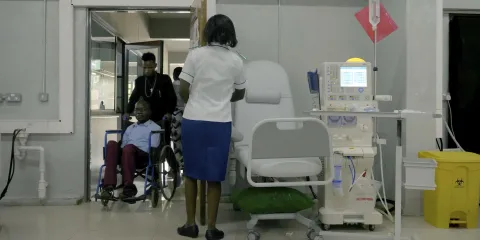
Most people who are able to access life-saving CKD treatment are in high-income countries. Health systems in low-income countries often cannot meet the CKD treatment needs of their populations, resulting in over one million deaths annually from untreated kidney failure. 

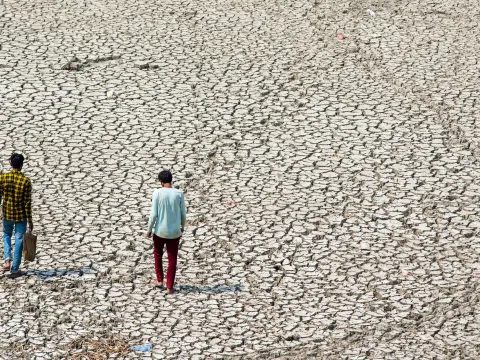
As with other NCDs, strong links are being revealed between CKD and environmental factors resulting from the climate crisis, such as excessive heat. There is also emerging evidence linking salination of freshwater supplies with hypertension and CKD.  

The cost of treating CKD represents an enormous burden on healthcare systems worldwide. For instance, in England, CKD costs more than breast, lung, colon and skin cancer combined. Many LMICs are not able to invest in adequate CKD treatment to meet population needs.

Driving poverty 

When available at all, dialysis and transplants in LMICs often incur catastrophic out-of-pocket payments for the people who need them. Those who go untreated because they are unable to afford care are eventually disabled by the disease, deepening household poverty.

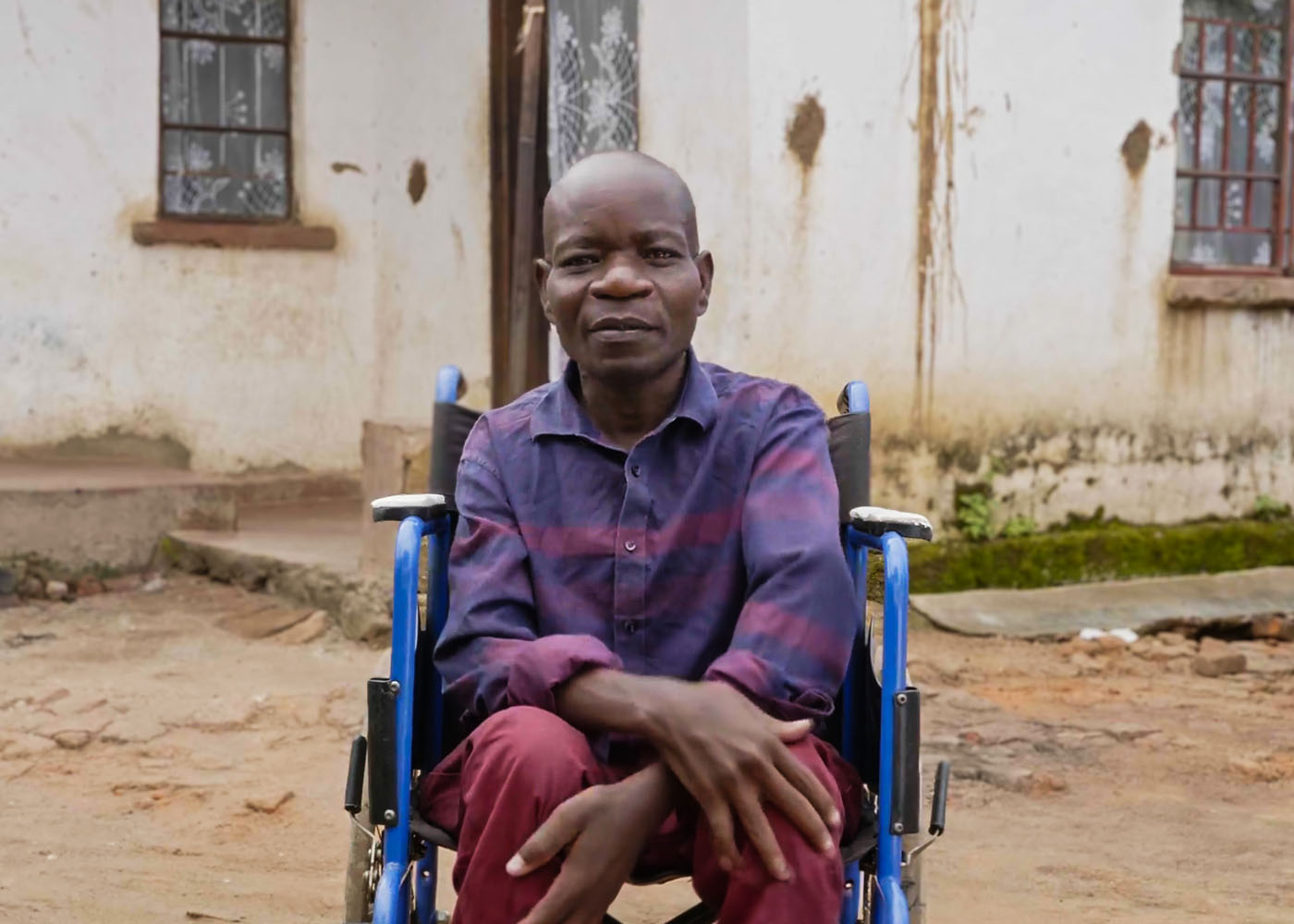
Samuel Kumwanje, lived experience of CKD, from the mini film 'Raise your voice' in Malawi

Raise your voice: Samuel's journey with CKD in Malawi  

This mini-film features lived experience advocate Samuel Kumwanje, who takes us through his intense journey to access care for chronic kidney disease in Malawi, a low-income country. See how Samuel and his colleagues are raising their voices to bring better NCD care to all people in their country.

Discover Samuel's written diary

Solutions to reduce the chronic kidney disease burden
As with other major NCDs, prevention through health-enabling environments is key to getting the CKD burden under control. There are many tried-and-trusted policies that governments can implement.

Creating or improving spaces where people can safely be active, organising community exercise opportunities and awareness raising campaigns can all encourage populations to get more physical activity.

Healthy diets are unaffordable for poor people in all countries, making processed foods often high in fats, sugar and salt the default choice. Fiscal policies such as subsidies for growing fruits, vegetables and grains can help reverse this.

Industries like tobacco, alcohol and junk food all try to limit perceptions about their products being unhealthy. Restrictions on marketing as well as policies to improve health literacy, like front-of-package warning labels, can help people make informed choices.

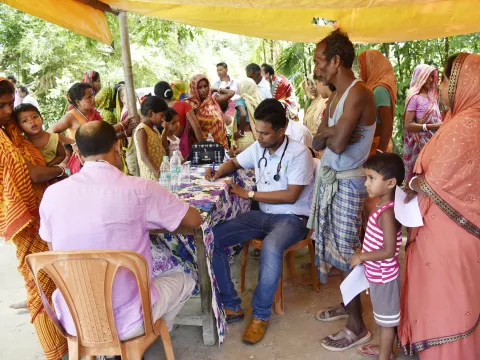
When prevention is not possible, early diagnosis is the next best way to reduce the CKD burden on families and health systems. Blood sugar and blood pressure should be part of regular checkups, with kidney function checked in case of warning signs.

Treatment for advanced CKD is costly, but dialysis or transplant is sometimes the only option to save a person from disability or death. Governments must invest adequately in their health systems, and NCDs must be recognised as a global health priority requiring funding.

Opciones para compartir: