Mental Health

There is no health without mental health - it is an intrinsic part of our individual and collective well-being. Mental health is also one of the most neglected of all NCD areas, with most people in the world who need mental health care receiving none at all. Despite widespread prevalence and crippling social and economic consequences, countries on average dedicate just 2% of health budgets to mental health. In some low-income countries, this number is zero.

Key facts

Neglected in health systems 

Most people living with mental health conditions are never diagnosed. Most people with diagnosed mental health conditions go completely untreated. 

Stigmatisation and discrimination 

People will often choose to live with mental distress without help rather than risk the discrimination that comes with accessing mental health services. 

A cornerstone of healthy societies 

There is no health without mental health – it is integral to our individual and collective functioning and wellbeing. Everyone has a right to mental health.

What is mental health?

Mental health is a state of mental, emotional and social well-being that enables people to cope with the stresses of life, realise their abilities, learn well and work well. Mental health conditions are common in all countries of the world. In most of them, they are also widely neglected. Despite their prevalence, people living with mental health conditions are often met with stigma and discrimination from communities and health systems, discouraging many from seeking help. 

There are an estimated one billion people in the world living with a mental health condition, and most of these people receive no professional care at all. There are vast disparities in availability and accessibility of mental health care between countries; for instance, in low-income countries there are fewer than one mental health staff per 100,000 population on average, compared with more than 60 in high-income countries. Around half the world’s population lives in countries where there is just one psychiatrist to serve 200,000 or more people. In sub-Saharan Africa, there is one psychiatrist per 1,000,000 people. And essential psychotropic medicines – if available at all – are unaffordable for much of the global population. 

This lack of mental health care is reflected in the societal and economic burden - mental disorders account for one in every six years lived with disability globally, with the cost of mental health conditions and their consequences projected to rise to $6 trillion globally by 2030, from $2.5 trillion in 2010.

Common mental health conditions
There are many mental health conditions, but these are some of the most common:

It is estimated that 5% of the world's adults and 5.7% of adults above age 60 are living with depression. Women are nearly twice as likely as men to live with depression.

An estimated 4% of the global population currently experience an anxiety disorder, but only one in four of them will receive any treatment at all.

Bipolar disorder is associated with episodes of extreme mood swings ranging from depressive lows to manic highs, which can make it difficult or impossible to manage daily tasks.

Schizophrenia may result in a mix of hallucinations, delusions, and disorganized thinking and behavior. It occurs in approximately 1 in 200 adults and is among the most impairing of all mental health conditions.

The most common substance abuse disorder is alcohol, but opioid abuse is increasingly common. Substance abuse of any kind is a risk factor for other mental health conditions like depression and anxiety.

Why is it urgent to act on mental health?
Mental health conditions can have severely destructive effects on the people who live with them, but also on their households, communities and society at large. Mental health has been neglected for too long.

Mental health issues often start in the early stages of life: about half of all mental health conditions begin before age 14 and most cases go undetected. It is estimated that one in seven people aged 10 to 19 are living with a mental health condition.  

Lost productivity for depression and anxiety alone has been estimated to cost the global economy US$ 1 trillion per year and is forecast to reach $16 trillion by 2030. On the other hand, scaling up treatment for depression and anxiety provides a benefit–cost ratio of five to one.

Mental health and other NCDs share risk factors, like physical inactivity or alcohol use. Mental health conditions also increase the risk of developing other NCDs. In turn, people living with NCDs are more at risk of developing mental health conditions.

As humanitarian crises due to conflict, extreme weather, and other factors become more frequent and intense, so does the resulting mental health burden. For instance, 25% of the global population lives in places affected by conflict, and about one in five will develop depression, anxiety, post-traumatic stress disorder, bipolar disorder, or schizophrenia.

People in LMICs are far less likely than those in HICs to access care – mental health professionals and essential medicines are very limited and often unaffordable, and stigma towards mental disorders is common in health systems as well as communities. Those who live in rural areas or are marginalised face additional barriers.

Doctors are twice as likely to die by suicide as the general population, and are also at high risk of anxiety, depression, and post-traumatic stress disorder. This highlights that mental health care must be an integral part of all health systems, with special support for the professionals working in them.

Mental health risk factors
Mental health risk factors extend beyond those most typical for NCDs, like tobacco, lack of physical activity, or an unhealthy diet – although these too have a negative impact on mental health.

Poverty in childhood and among adults can cause poor mental health through social stresses, stigma and trauma. Equally, mental health problems can lead to poverty through loss of employment, or social exclusion. This vicious cycle often begins before birth and intensifies throughout life.

Social exclusion or discrimination for any reason increases the risk of mental health conditions like substance abuse disorders, depression and anxiety. Young people facing discrimination are also more likely to develop severe mental health conditions later in life.

The climate crisis impacts mental health in many significant ways. For instance, fear of extreme weather events can cause anxiety and depression. A changing climate can lead to job loss, force people to move, and harm social cohesion and community resources, all affecting mental health.

The world is experiencing the highest number of violent conflicts since World War II, with two billion people – one quarter of the global population - living in places affected by these conflicts. An estimated one in five of these people will develop a mental health disorder, like depression, post-traumatic stress disorder, or schizophrenia. 

Substance use disorders are considered mental health conditions in their own right, but they also increase the likelihood of developing depression, anxiety, bipolar disorder, or other conditions. Those living with mental health conditions are also more likely to turn to substance abuse as a coping mechanism.

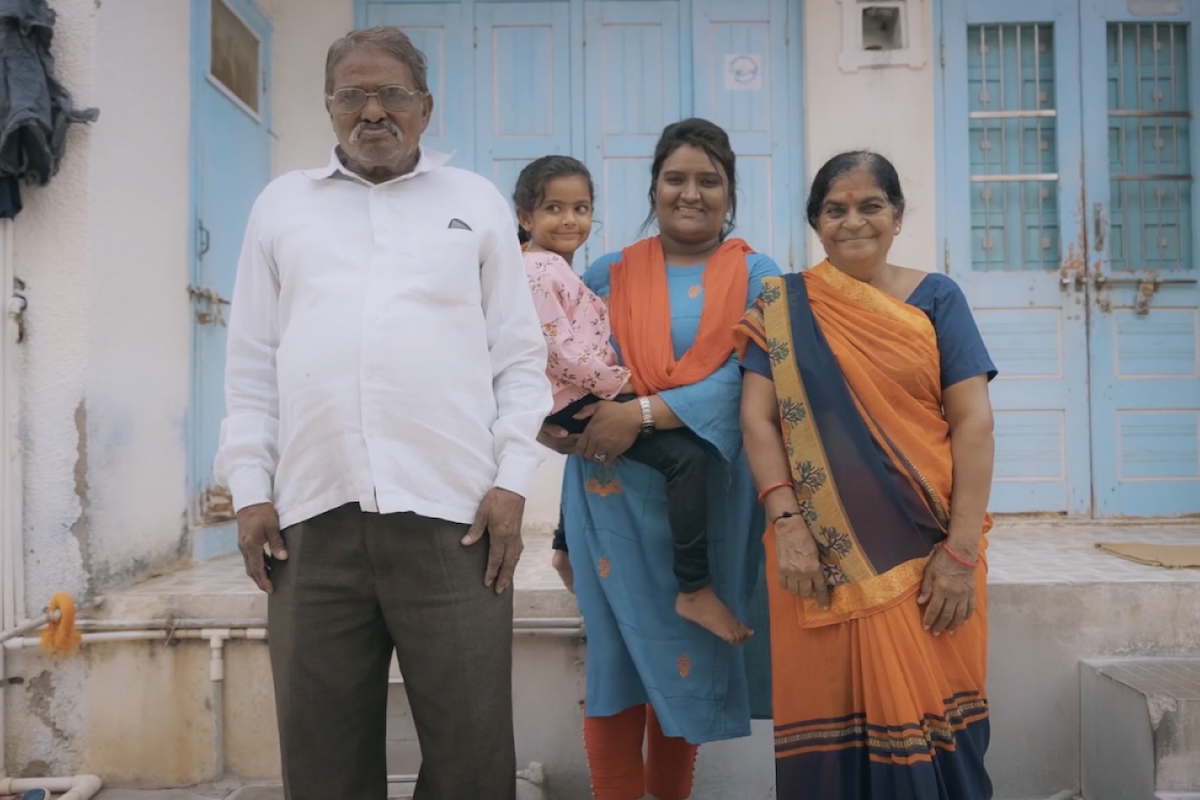
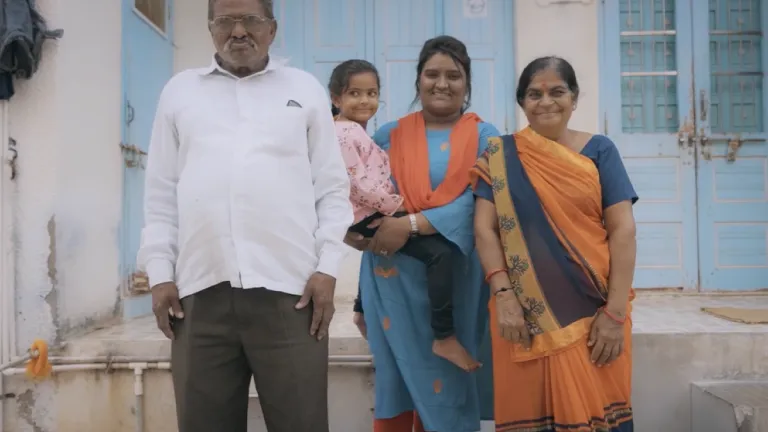
Indian family, still from 'A community cure' from Facing Forward video series

Community responds to India's mental health crisis

Can a strong community spirit help lift up those with mental health issues? Helping those with invisible illnesses like mental health issues can be complicated, especially when friends and family may not be equipped with the skills to provide support. But the Atmiyata project in the Meshana district in Gujarat (India) is producing local champions who can provide help and comfort within patient’s own localities.

Discover more about this case study

Mental health solutions
People are often forced to manage mental health conditions on their own, due to unavailability or inaccessibility of care, or risk of stigmatisation by communities and health systems. This doesn’t need to be the case.

Even in high-income countries, mental health is often left out or insufficiently covered in insurance schemes and UHC benefit packages. This means that expenses incurred must be paid out-of-pocket and forces many people to forego the care they need.

An average 2% of national health budgets is allocated to mental health. In LMICs, this number tends to be even lower – at 1% or below. Investment is needed to ensure more mental health professionals, essential medicines, and better service delivery.

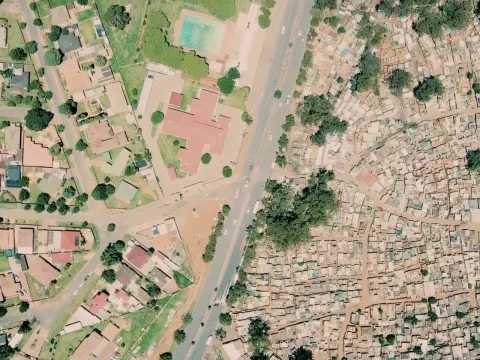
Those living in rural or otherwise marginalised areas, such as urban slums, face challenges in simply reaching facilities that provide mental health services. Community members can acquire training to identify mental health risks, referring those who need care.

Primary health care is a key opportunity for mental health screening. Frontline health workers must be trained to identify risks and problems, referring people to specialised care when needed.  

Stigma is a powerful deterrent to seeking mental health care. An understanding of mental health must be generated through awareness and sensitisation campaigns, in communities and within health service providers.

Digital health solutions can provide mental health care support to people who face geographical or other access challenges, and can aid self-management of mental health conditions. For such solutions to be equitable, the digital gap must be considered and addressed.

Opciones para compartir: