
Physical Inactivity

Staying healthy has a lot to do with staying active, which makes physical inactivity one of the five major risk factors for NCDs.

Key facts

Physical inactivity is a leading NCD risk factor 

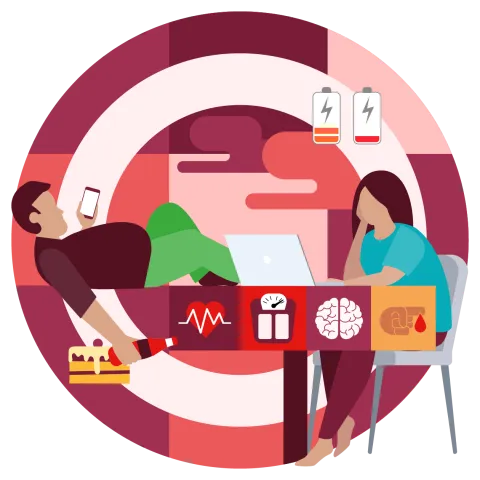
Physical inactivity itself is an NCD risk factor, but also contributes to hypertension, high blood sugar, high cholesterol and overweight and obesity, chronic conditions which are often followed by the onset of NCDs. 

Vulnerable populations are more at risk 

Groups including women and girls, people living with disabilities or chronic conditions, and people living in low-resource urban settings face more barriers to physical activity. 

A health-in-all-policies approach is needed 

If populations are to become more physically active, all sectors of society need to get involved in creating systems and communities that help people to get moving.
How did physical inactivity become a problem?

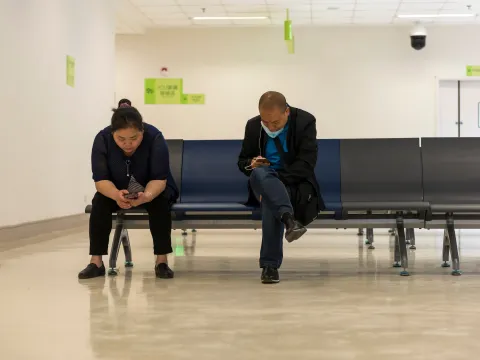
In the past decades, countries around the world have seen technological advancements that have changed the way we move, work and play. While some of this change has had positive effects, it’s also led to higher rates of physical inactivity. More people spend longer amounts of leisure sitting - watching television, playing video games, and using the computer – and physical activity associated with work, tasks at home, and transportation has also declined. What has gone up are rates of overweight and obesity, hypertension and NCDs like diabetes, cardiovascular disease, cancer and mental health conditions.

Why is it urgent to act?
Physical activity has positive effects that can be seen - and felt - both immediately and in the long run.

Besides better health, active societies generate important benefits and returns on investment including a reduced use of fossil fuels, cleaner air and less congested, safer roads.

Physical activity levels are influenced by socioeconomic and cultural contexts. In most countries, women and girls, as well as older adults, underprivileged groups, and people living with disabilities and chronic diseases, all have fewer options for physical activity that are safe, affordable and appropriate.

The global cost of physical inactivity is estimated at US$ 54 billion per year in direct health care, with an additional US$ 14 billion in lost productivity. This excludes mental health and musculoskeletal disorders, so the true economic toll is far higher than available estimates.

Globally, 81% of adolescents aged 11-17 years were insufficiently physically active in 2016. Getting enough physical activity in youth helps ensure healthy growth and development and paves the way to good health in adulthood.

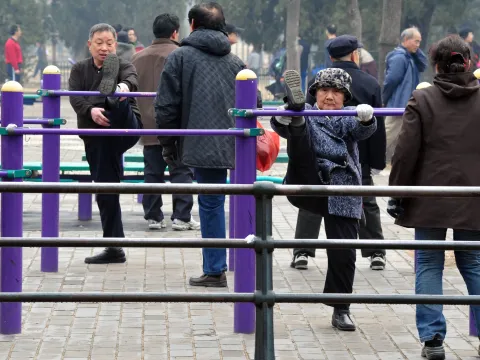
Physical activity levels tend drop significantly after the age of 60, which is cause for concern with an ageing global population. By 2030, one in six people in the world will be aged 60 or over. 

Physical inactivity and NCDs 
Physical inactivity is one of the main NCD risk factors, driving up the burden by causing hypertension, high cholesterol, and high blood sugar.
Active cities for human and planetary health
With 55% of the global population living in urban areas, cities have a responsibility and opportunity to contribute to physical activity through improving urban design and sustainable transport systems. Here are a few cities promoting physical activity and a healthy social environment, while driving green transport forward.

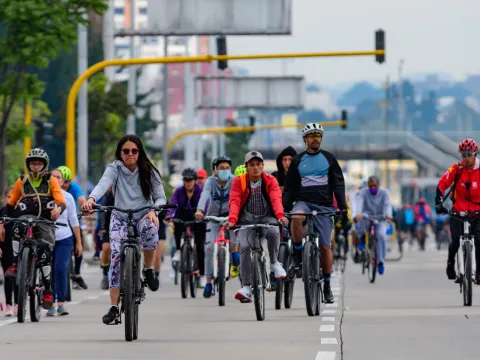
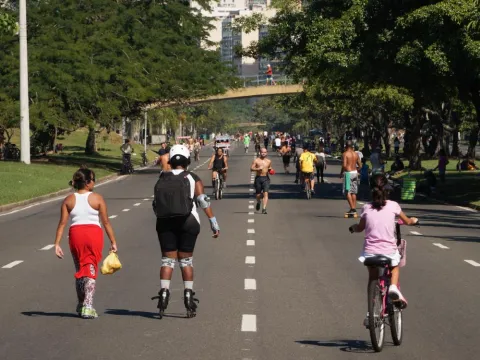
If any city can take the credit for really getting pedals turning around the world, it’s Bogota. It all started back in 1974 with a simple bicycle path, which has since rolled into the 127-km long Ciclovía. On Sundays and public holidays the Colombian capital transforms its streets by banning vehicles from 7 am to 2 pm. Going for a cycle ride is just one part of the day’s activities. Stages are set up in city parks, where aerobics instructors, yoga teachers and musicians lead people through various activities. The weekly open roads are used by roughly 1.5 million people of Bogota’s more than 7 million residents. 

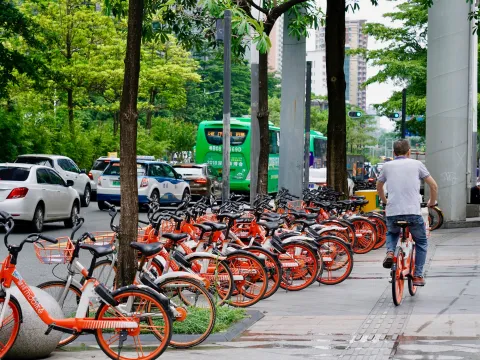
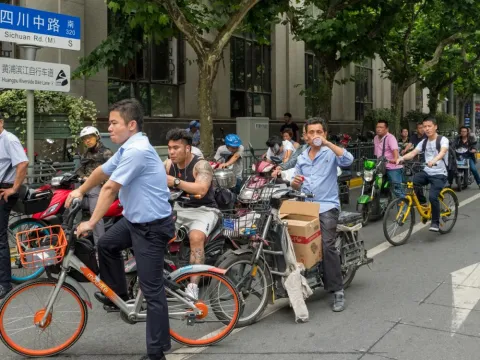
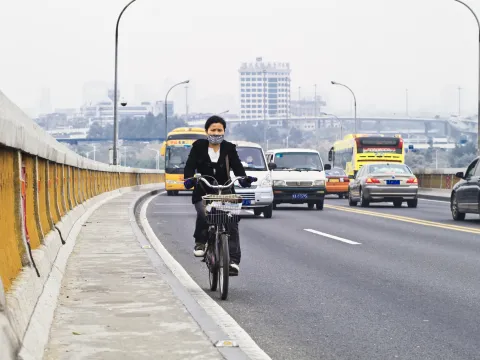
China was known as the 'bicycling kingdom' until as recently as the 1990s, when the car became the preferred mode of transporation. But in the past decade, cycling has made a big comeback. For example in Shanghai, thanks in part to bike-sharing schemes, the number of cycles on city streets rose from 260,000 at the end of 2016, to 630,000 by April 2017 and to more than 1.5 million by August 2017. Follow-up studies found increased physical activity, and with lower air pollution levels as an added benefit.

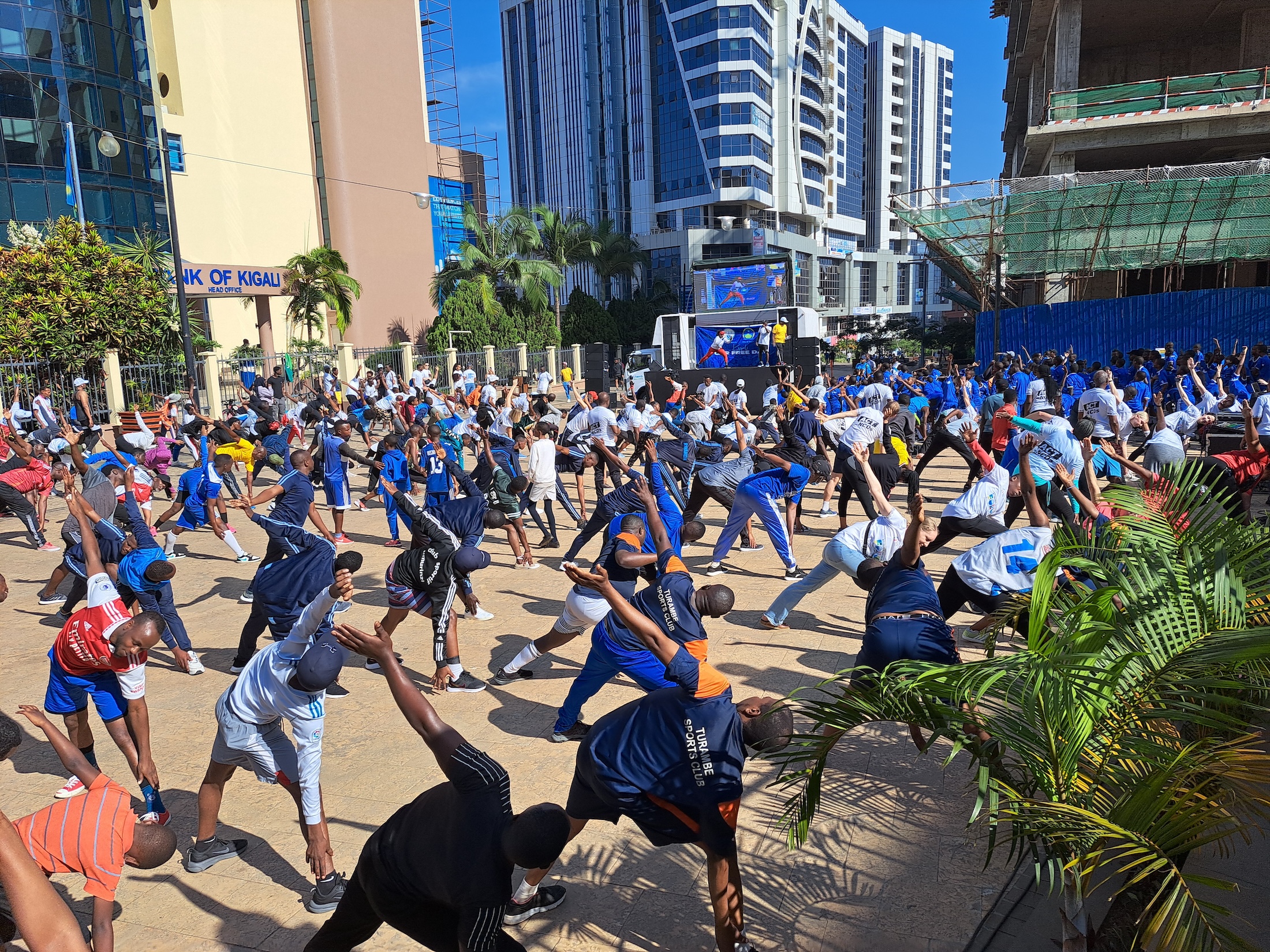
People exercising in Kigali Car-Free Day in Rwanda

Kigali, Rwanda  

Since they were launched in 2016 by the Kigali City Council, car-free days in the Rwandan capital have become a community favourite. Every other Sunday, up to 10 kilometres of roads are freed up for the whole morning for group exercise activities and free medical check-ups, counselling and education on NCDs. This adds to Rwanda's comprehensive whole-of-society approach to health and NCDs.

Policies to support physical activity: A whole-of-society response
Increasing physical activity requires a systems-based approach with collaboration across sectors to ensure solutions are context-appropriate. WHO’s Global Action Plan on Physical Activity 2018-2030 outlines four policy areas and 20 specific actions to reduce physical inactivity by 15% by 2030, aligning with the Sustainable Development Goals.

Walking, cycling and other forms of active non-motorized transport must be made accessible and safe for all.

Workplace policies can encourage active commuting and opportunities for being physically active during the work day.

Childcare, schools and higher education institutions can all provide safe spaces and facilities where students can spend their free time actively.

Primary and secondary schools should provide quality physical education that supports children in developing behaviour patterns that will keep them active throughout their lives.

Community-based and school-sport programmes should provide equitable and appropriate opportunities for all ages and abilities.

Sports and recreation facilities must allow everyone to access and participate in a variety of different sports, dance, exercise and active recreation.

Health care providers have a key role to play by advising and supporting patients to be regularly active.

Options de partage: