Alcohol Use 

In global health, the term ‘harmful use of alcohol’ is commonly used. But the truth is, all alcohol use is harmful. In 2023, the World Health Organization reinforced that there is no safe level of alcohol consumption, with all use increasing health risks—including for cancer, cardiovascular disease, and mental health conditions.
 

Key facts

Alcohol is a leading NCD risk factor

Nearly three million deaths are attributed to alcohol each year, and most of these are due to NCDs. No amount of alcohol can be consumed without increasing risk. 

Alcohol has severe social consequences

Many people associate drinking alcohol with social events and celebration but its effects on individuals, households and society are severely detrimental. 

Industry interference is costing health and lives

Despite a growing number of nations enacting measures to curb alcohol consumption, the powerful influence of big corporations continues to shape global alcohol policies.


Is alcohol really that harmful?

Alcohol is a toxic and psychoactive substance with dependence producing properties. It is a leading contributor to death and disability worldwide, but the global public health response to alcohol is vastly out of step with its known social, economic and health burden—alcohol is a toxic, psychoactive, and carcinogenic substance, responsible for more than 200 diseases and injuries globally.

This is due to a large extent to alcohol industry marketing and interference in policymaking – with lessons learned from the tobacco industry, Big Alcohol has been able to maintain the social acceptability of its products and even position itself as a legitimate partner in protecting health by promoting alcohol consumption within ‘safe’ limits. 

The health harming nature of alcohol and policy interference by industry are now well evidenced and clearly understood. But the policy response has a long way to go in protecting populations from alcohol harm.

Alcohol control: why is it so urgent?
Despite the widespread harm it causes, alcohol is socially acceptable in many countries around the world, due in large part to efforts by the alcohol industry.

Through its multiple health, social and economic harms, alcohol presents a massive obstacle to sustainable development. Alcohol is an obstacle to achieving 14 out of 17 Sustainable Development Goals (SDGs) and at least 54 of 169 targets. As an industry that exploits people, communities and societies around the world to maximize profits, there is a fundamental conflict of interest at play when it comes to Big Alcohol and sustainable development.

Though the highest rates of alcohol use are found in high-income countries, the largest increases in levels of alcohol use, exposure and burden are in low- and middle-income countries. Often, these countries lack effective regulation and have health systems that are not equipped to handle the increase in the alcohol-attributable burden. Lower income communities in all countries face more severe harm from alcohol than higher income peers.

The alcohol industry continually seeks ways to expand its market, promoting its products in regions where consumption has traditionally been low and regulation is less strict, such as Africa. The industry also targets vulnerable consumers, like children, aware that early drinking significantly increases the risk of dependence. Women are another target, as they have historically consumed less alcohol than men. Like the tobacco industry, the alcohol industry spends billions on marketing. 

Alcohol and NCDs 
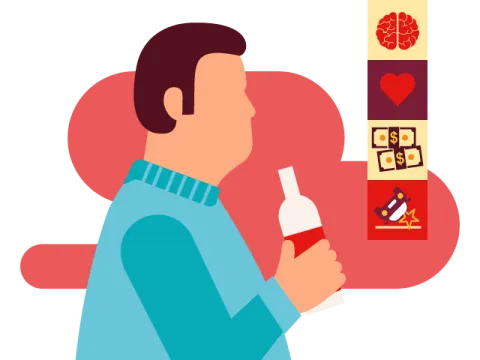
Alcohol use is one of the major risk factors for NCDs. More than half of all alcohol-related deaths (1.7 million) are due to an NCD. Despite its relatively widespread social acceptance, alcohol is a toxic, psychoactive, carcinogenic, and dependence-producing substance capable of causing severe damage to health.
cardiovascular disease icon

High alcohol intake can lead to high blood pressure, heart failure and stroke. Excessive drinking can also contribute to cardiomyopathy, a disorder that affects the heart muscle.

Explore
cancer icon

There is clear scientific evidence that alcohol is a cancer-causing agent. There is a strong causal relationship between alcohol use and multiple types of cancer, including cancers of the head and neck, mouth, esophagus, liver, breast and colon.

Explore
mental health icon

People who drink alcohol are shown to be much more likely to develop anxiety, depression, and other psychiatric conditions. It’s also true that people with mental illness are more likely to develop alcohol use disorders.

Explore
diabetes icon

Alcohol has a wide range of effects on the brain—disrupting its functioning and communication pathways, and contributing to many neurological disorders. This includes alcohol addiction itself, which arises from brain changes that occur due to chronic alcohol use.

Explore
Alcohol industry tactics
Alcohol is a massive industry dominated by just a few transnational companies controlling over half the global market, with vast resources to promote their interests.

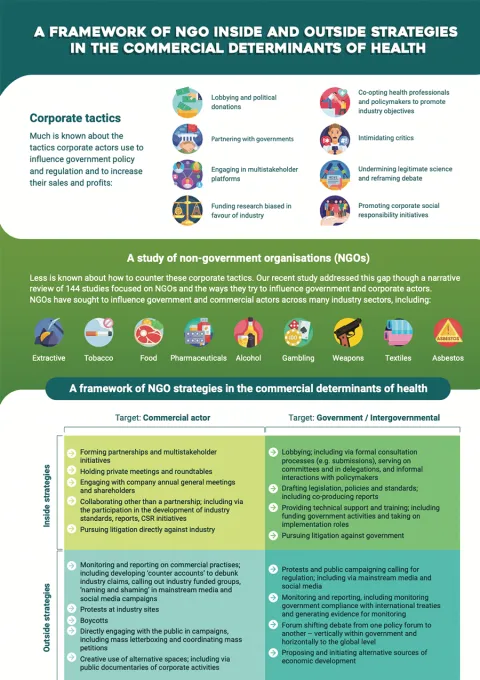
Aggressive lobbying by the alcohol industry seeks to block the implementation of evidence-based measures to regulate alcohol to protect and benefit populations. The alcohol industry invests in false science and front groups to support their arguments in policymaking processes. Cases of corruption and bribery are also well documented and seem to be systemic.

In 2019, 52% of men were drinkers, while only 35% of women had drank alcohol in the last 12 months. The alcohol industry is working towards closing that gender gap with marketing and products created especially for women, aiming to make alcohol consumption more appealing and socially acceptable for them. As a result, alcohol use by women, especially those of higher socioeconomic status, is catching up to alcohol use by men.

So-called corporate social responsibility (CSR) ranges from school-based “responsible drinking” programs for youth, to ride services for inebriated adults. These tactics have been found to have limited effectiveness for reducing alcohol harms, but offer a very visible branding strategy. Increasingly, large alcohol companies claim to be partners in sustainable development, despite alcohol being at odds with 14 out of 17 of the SDGs.

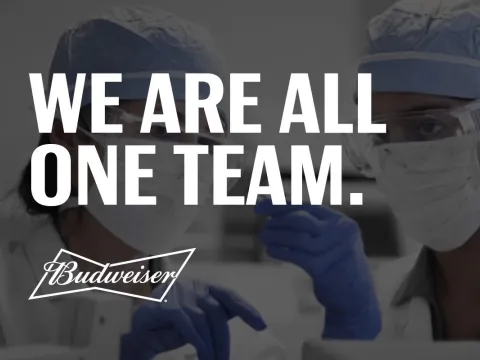
A Budweiser campaign showing two health workers and the text "We are all one team"

A sophisticated campaign by global alcohol corporations has promoted them as good corporate citizens and framed arguments with a focus on drinkers rather than the supply of alcohol. It is based on ideas that moderate drinking is safe, and it is only the heaviest drinkers who face harm. Harm is further presented as a consequence of their own choices rather than the supply and marketing of alcohol. 

The alcohol industry’s marketing reach is expansive, especially in LMICs, where advertising regulations may be limited or absent. Digital marketing also offers opportunities to avoid some regulations. Advertising aims to accomplish two main goals: to recruit new customers and to normalize and promote alcohol use in new markets, thus increasing global consumption and profits. Alcohol corporations have massive marketing budgets, some of them higher than the GDPs of some LMICs.

Exposure to alcohol marketing increases the likelihood, frequency and volume of alcohol consumption among youth. Alcohol advertisements also create false expectations about how alcohol will make people feel and be perceived by others. Young people are susceptible to alcohol messages because they often lack the judgment and maturity to understand the ways in which they are being manipulated. Marketing seeks out youth online and at events popular with youth, like sport matches. 

Controlling the narrative

The alcohol industry understands the importance of how people perceive alcohol. It works to frame how people think and talk about alcohol with terms and campaigns that focus on individual responsibility in order to avoid legal regulation. It also aims to create a negative view of the drinker rather than the industry. Here are just a few common narratives promoted by the industry: 

“Drink responsibly”/ responsible drinking – A phrase that frames the quantity of alcohol consumed as the responsibility of the individual and stigmatises those who do not or are not able to control consumption. 

Designated driver – Aims to deliver the message that drinking a lot of alcohol is not a problem as long as one driver has abstained. 

Problem drinking and alcohol misuse – Nonspecific terms describing harmful and excessive consumption of alcohol that are used to suggest that alcohol is only a problem when someone uses it to an extreme. 

Alcoholism, alcohol abuse – The alcohol industry may use these terms to suggest that alcohol is only a problem where it involves people with clinical conditions. 

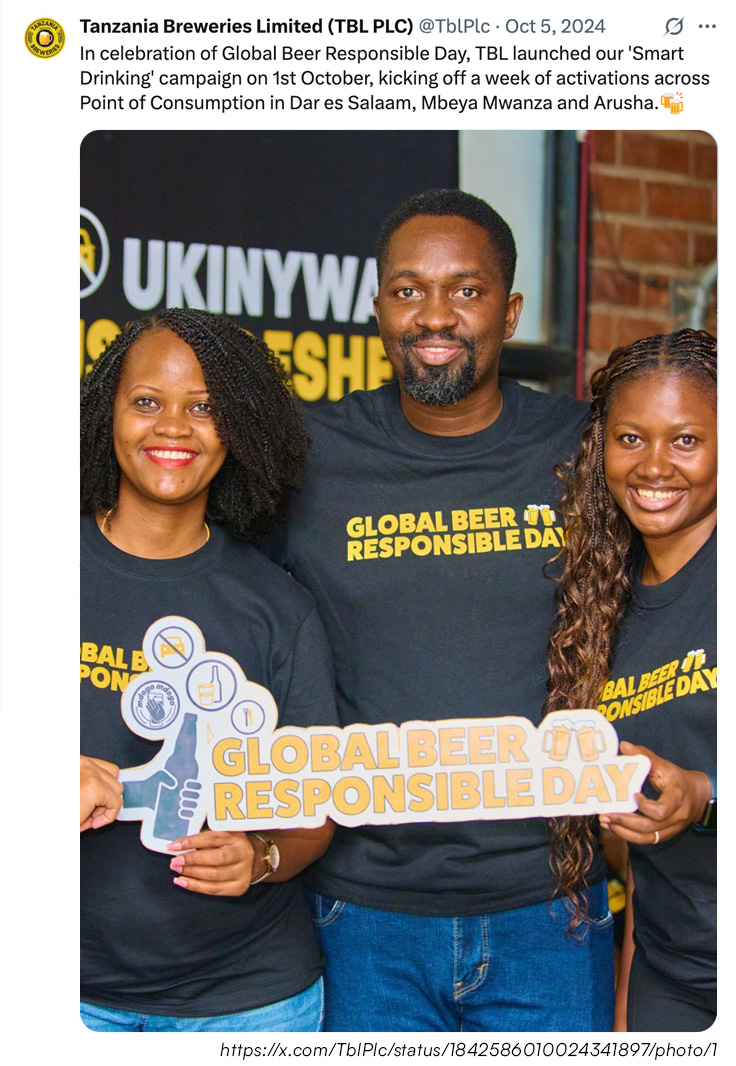
Tanzania Breweries Limited celebrates Global Beer Responsible Day as part of the alcohol industry strategy to control the narrative on alcohol
Prevention and control
These three WHO “Best Buys” for NCDs represent the most effective, evidence-based policy actions for controlling alcohol use globally, and are viable and cost-effective to enact. There is strong evidence that these policies reduce the harmful use of alcohol, prevent disease and save lives across populations.

Alcohol taxes have the potential to improve population health and reduce the social and economic cost of alcohol consumption. As with taxes applied to other unhealthy products, another advantage of taxation is that it can raise much-needed revenue for governments.

Regulations on the availability of alcohol has been shown to reduce alcohol consumption and alcohol-related harms and injuries. This includes restrictions on who can sell alcohol, who can buy it, the days and times it can be sold, and the locations and density of outlets where it is sold.

Alcohol advertising, sponsorship and promotion increase the likelihood of use and the amount of alcohol consumed. Marketing bans and restrictions must be comprehensive and should include traditional media as well as cultural, sporting and promotional events, internet sites, social media and apps, and product placement.

Share options: