Chronic Respiratory Diseases

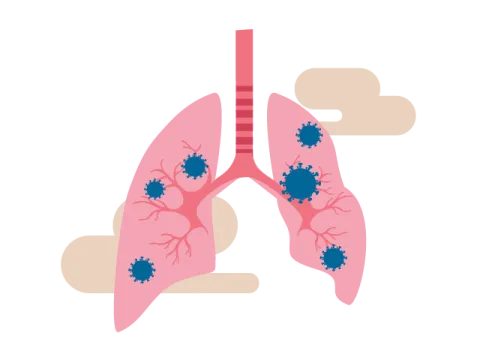
Chronic respiratory diseases attack the most essential process for human life – breathing. Most chronic respiratory diseases can be prevented, and governments must take action to ensure the right to breathe freely.

Key facts

A leading cause of death 

The third leading cause of death globally is a chronic respiratory disease – chronic obstructive pulmonary disorder, or COPD.    

Inextricable from planetary health 

Key drivers of the climate crisis are also the most common risk factors of chronic respiratory diseases. Alignment of global priorities can bring the most effective solutions.   

Unequal burden, inequitable access to care 

Exposure to tobacco and air pollution is higher in lower income countries and communities, which also face more barriers in accessing care.
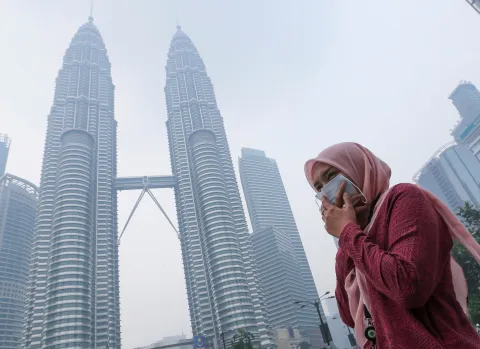
woman wearing mask covers her mouth to protect herself from air pollution in Kuala Lumpur

What are chronic respiratory diseases? 

All humans must breathe to survive, and this is an action that many take for granted. Others do not – like those living with chronic respiratory diseases. 

Chronic obstructive pulmonary disorder (COPD) and asthma are the two most common chronic respiratory diseases. Over half a billion people live with one of these two conditions, which together cause almost four million deaths every year. A quarter of these deaths occur prematurely, before the age of 70. For both diseases, low-resource or otherwise marginalised people and communities are at increased vulnerability due to higher exposure to risk factors like tobacco and air pollution and lower access to care. This results in more than 90% of premature deaths from COPD and asthma occurring in low- and middle-income countries. Governments must implement equitable approaches to prevention and care of chronic respiratory diseases, to ensure everyone can enjoy a breath of fresh air.

Why is it urgent to act?
Reducing the chronic respiratory disease burden is crucial for people, the planet and economies.

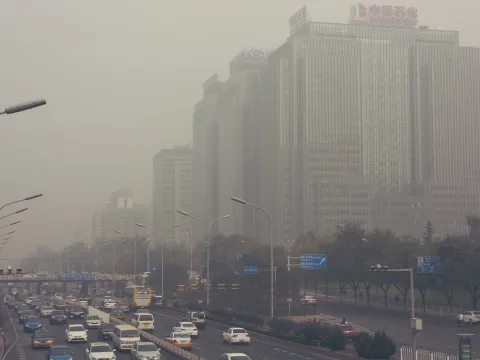
Planetary health has a profound effect on our own health, and the link to our lungs is direct. The same air pollution that is driving the climate crisis is also damaging our lungs. Air pollution is the cause of nearly half of global deaths from COPD, and 19% from lung cancer, as well as 13% of asthma in children.

Data on chronic respiratory diseases is lacking, especially in LMICs, but it is estimated that global losses due to COPD will cost US$4.3 trillion between 2020 and 2050. In the US alone, asthma is estimated to cost US$80 billion annually. These astronomical numbers are matched by an immense human toll through loss of quality of life, disability, and death.

Nearly 90% of COPD deaths in those under 70 years of age occur in LMICs, ending lives during the most productive years. This can have catastrophic effects for households whose resources are already stretched tight. Similarly, asthma causes nearly 500,000 deaths per year, most of them in LMICs.

Common respiratory diseases
There are many diseases inside this broad group, but these are some of the most common ones:

Worldwide, COPD is the third most common cause of death. 3.2 million people die from COPD each year. Underdiagnosis and misdiagnosis are both common, especially in low-resource settings. The most important risk factors for developing COPD is tobacco smoking and air pollution. In both cases, contaminated air destroys lung tissue and obstructs the small airways with inflammation and mucus, causing shortness of breath, cough, and chronic bronchitis.

Asthma afflicts more than 350 million people and its prevalence has been increasing for the past three decades, with wide variation between countries and communities. As usual, the poor are disproportionately burdened. The causes of asthma are not completely understood, but air pollution is an important known risk factor and triggers attacks. Asthma is characterized by symptoms of breathlessness, cough, wheezing, and airflow limitation, usually associated with underlying airway inflammation.

Sleep-disordered breathing (or sleep apnea) affects up to 1 billion people worldwide. The main symptom is breathing that repeatedly starts and stops during sleep. Sleep apnea has been associated with many other conditions, such as hypertension, cardiovascular disease, stroke, diabetes, poor cognitive function, and neuropsychiatric disorders. The best preventive measures for sleep apnea are maintaining a healthy bodyweight and getting enough physical exercise.

Occupational hazards can lead to a variety of respiratory diseases. For example, exposure to asbestos can cause lung fibrosis and mesothelioma; exposure to mineral dust can cause silicosis and coal workers’ pneumoconiosis; and exposure to organic antigens in agricultural settings can cause hypersensitivity pneumonitis and occupational asthma. Such hazards are more common in LMICs, where occupational regulations may be inadequate.

Risk factors
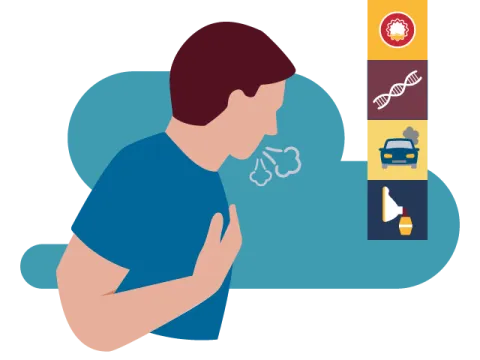
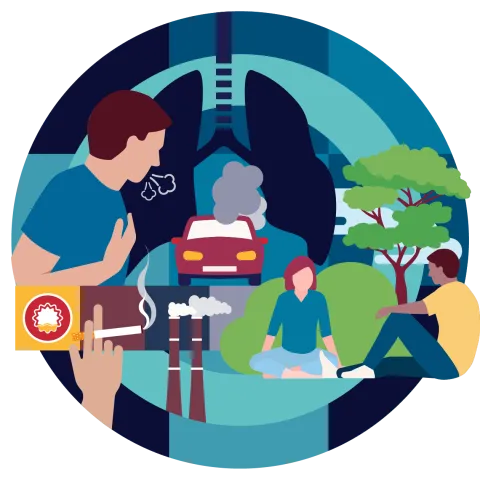
Respiratory diseases are either caused or worsened by what we breathe. This makes tobacco smoke, air pollution, and workplace toxicants the key risk factors. Infections in early childhood also increase risk.
tobacco use icon

Reducing tobacco use globally is essential for lowering the burden of COPD, asthma, and other less common lung diseases. E-cigarette use, known as vaping, also impairs respiratory health.

air pollution icon

The lungs are especially vulnerable to the external environment because of constant exposure to particles, chemicals, and infectious organisms in ambient air. Both indoor and outdoor air pollution pose serious risks.

Workplace exposure to air pollutants icon

Exposure to particulate matter and other pollutants in the workplace endangers lung health. There are many toxic chemicals, dusts and fibers that can cause respiratory disease.

lung infections illustration

Pneumonia is the worldwide leading cause of death in children younger than four years. It is also a major risk factor for developing COPD later in life, along with other severe lung infections.

Solutions for the respiratory disease burden
Governments need to implement policies to reduce exposure to respiratory disease risk factors and improve access to life saving essential medicines and treament.

One of the cornerstones to reducing the burden of chronic respiratory diseases is to ensure populations are breathing cleaner air at home, outdoors and in the workplace. This means enforcing policies to limit outdoor air pollution, ensuring access to cleaner fuels for indoor use, and putting regulations in place for safer workplaces.

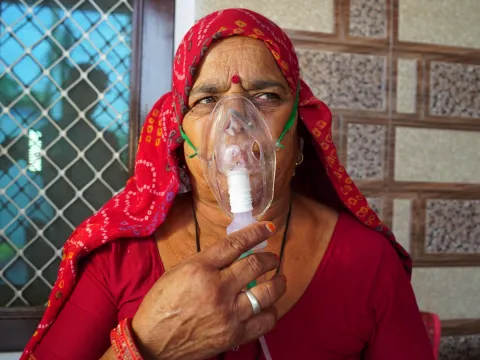
Access to respiratory devices and inhalation therapies, including oxygen therapy, is essential for managing COPD, asthma and other chronic respiratory diseases. But these treatments are often unavailable and unaffordable in LMICs. Governments must prioritise equitable access to care across the continuum, from prevention to treatment to palliation.

Tobacco use is the cause of approximately half of COPD and most lung cancer. Reducing exposure to this deadly risk factor - including newer "healthier" tobacco and nicotine products like e-cigarettes - is essential for reducing the chronic respiratory disease burden globally.

Share options: